If a Wilmington home gets water damage, there’s a good chance it ends up in the basement. Here are the most common reasons basements flood in the city and the surrounding suburbs, and what you can do about each one.
- Foundation seepage, sump pump failures, floor drain backups and water heaters cause most Wilmington basement floods.
- Extend downspouts and keep soil sloping away from the foundation.
- Test the sump pump each spring and add a battery backup.
- Sump and sewer backup damage often needs a water backup endorsement.
Seepage through older foundations
Many homes in the city and older inner suburbs sit on fieldstone, brick or early block foundations. They were built to hold up the house, not to be fully waterproof. After a nor’easter or a tropical storm saturates the ground, water finds gaps in the mortar and seeps in at the base of the wall or through the floor.
- Keep gutters clean and extend downspouts well away from the house.
- Make sure soil, walks and patios slope away from the foundation.
- Repoint failing mortar and seal visible cracks.
- Run a dehumidifier in summer to control condensation and dampness.
Sump pump failure
Many suburban homes in Brandywine Hundred, Pike Creek and Greenville have perimeter drains that route groundwater to a sump pit, where a pump sends it outside. When the pump stops, water rises in the pit and spills across the basement floor.
Pumps fail for predictable reasons: power outages during storms, float switches that stick, pumps that simply wear out, and discharge lines that freeze or get blocked.
- Test the pump each spring by slowly pouring a bucket of water into the pit and watching it cycle.
- Add a battery backup pump for power outages.
- Replace pumps nearing the end of their typical service life before they fail.
- Make sure the discharge line drains well away from the house and isn’t frozen or crushed.
- Install an inexpensive water alarm in the pit or on the floor nearby.
Floor drain and sewer backups
The basement floor drain is usually the lowest opening in your plumbing. If the lateral is blocked by roots, grease or a broken pipe, wastewater comes up there first. In the oldest parts of the city, stormwater and wastewater share combined sewers, and very heavy rain can push water back toward basements. Slow drains, gurgling and sewage smells are early warnings. A plumber’s camera inspection can find the problem, and a backwater valve can help protect against backups from the street.
Tropical storms and nor’easters
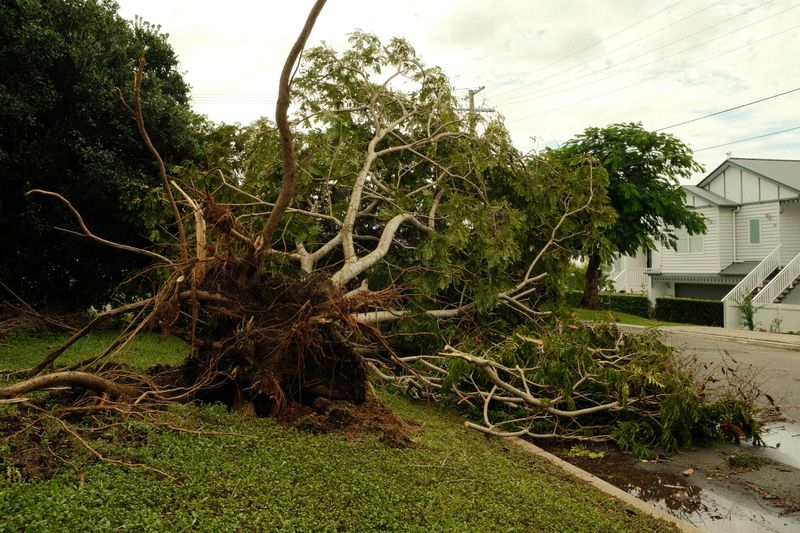
Wilmington’s worst basement flooding comes from the remnants of tropical storms, mostly from August through October, and from nor’easters that bring days of rain. Both saturate the ground, test sump pumps and push storm sewers to their limits. If a big storm is in the forecast, check that the sump pump works, clear gutters, drains and exterior basement stairwells, and move valuables off the basement floor.
Exterior stairs and window wells
Exterior basement stairwells and window wells collect leaves and rain. If the drain at the bottom is clogged, water rises until it comes in under the door or through the window. Clean them out each fall, check that the drains flow, and add covers where you can.
Water from inside the house
Not every basement flood comes from outside. Water heaters, washing machines, utility sinks and furnace condensate lines often sit in the basement, and leaks from upstairs bathrooms and kitchens drain downward. Put a drain pan with a leak sensor under the water heater, replace rubber washing machine hoses with braided ones, and know where your main shutoff is.
If your basement floods
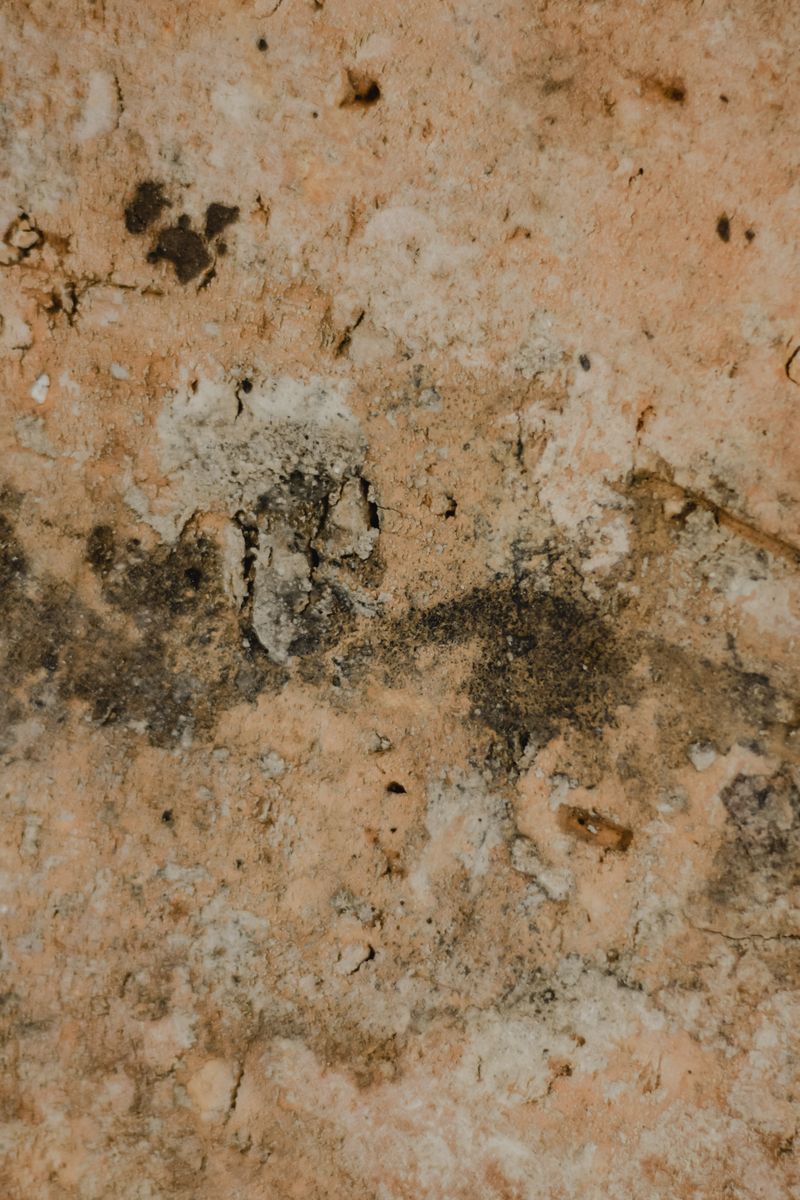
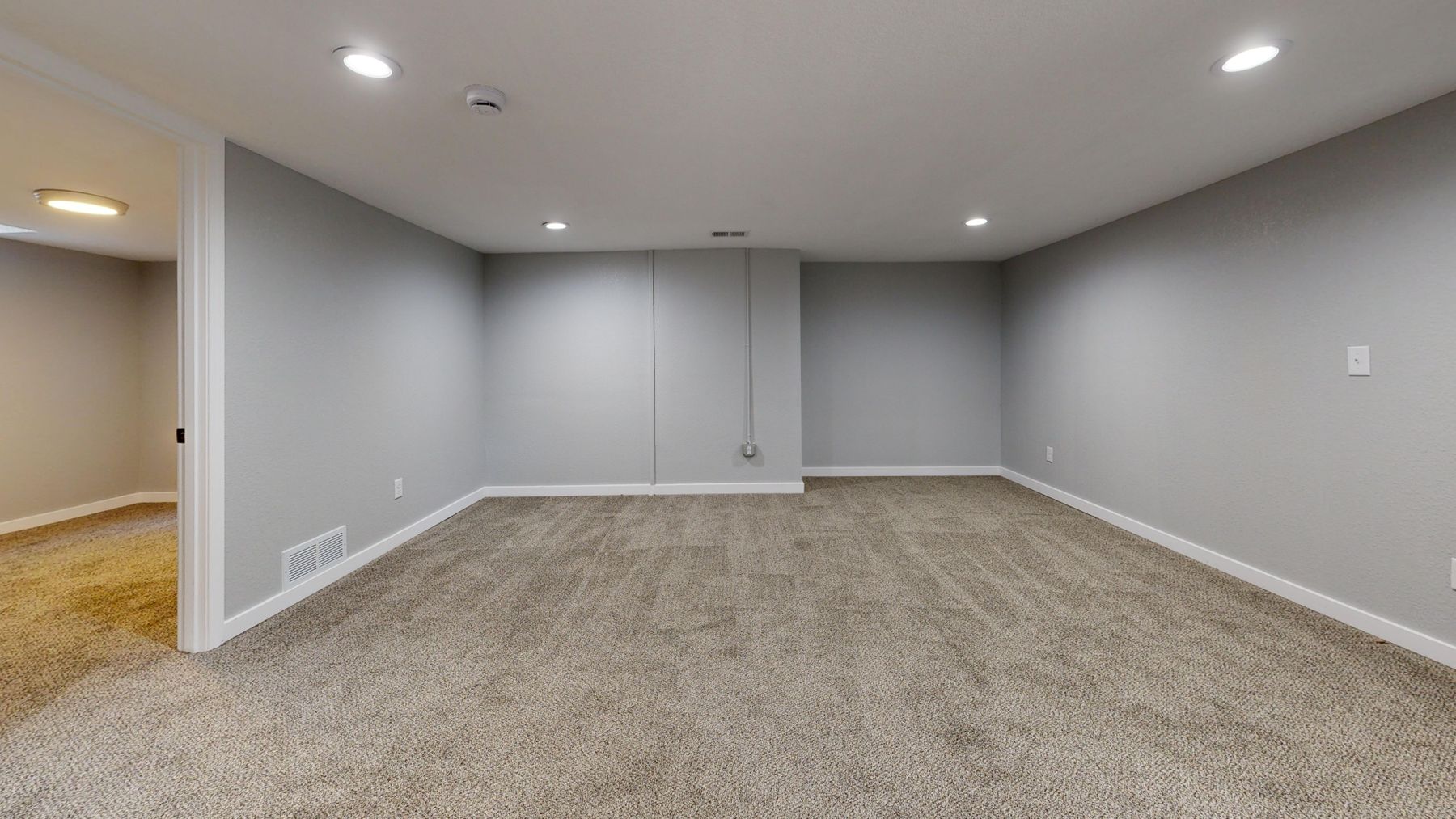
Stay out if water is near outlets or the electrical panel. Otherwise, stop the source if you can, move belongings, photograph everything and call for help. Finished basements, with carpet pad, drywall and framing below grade, need professional extraction and measured drying to avoid mold. See basement flood cleanup for what’s involved.
Damage from sump pump failure or sewer backup is often excluded from standard homeowners policies unless you’ve added a water backup endorsement, and flooding from outside needs a separate flood policy. If you have anything of value in your basement, review your coverage before you need it.
Related service: Basement Flood Cleanup in Wilmington, DE.
Sources & industry standards
This guide is general information for Wilmington-area homeowners, written with reference to the sources above. It isn’t professional, legal or insurance advice. See our editorial standards.