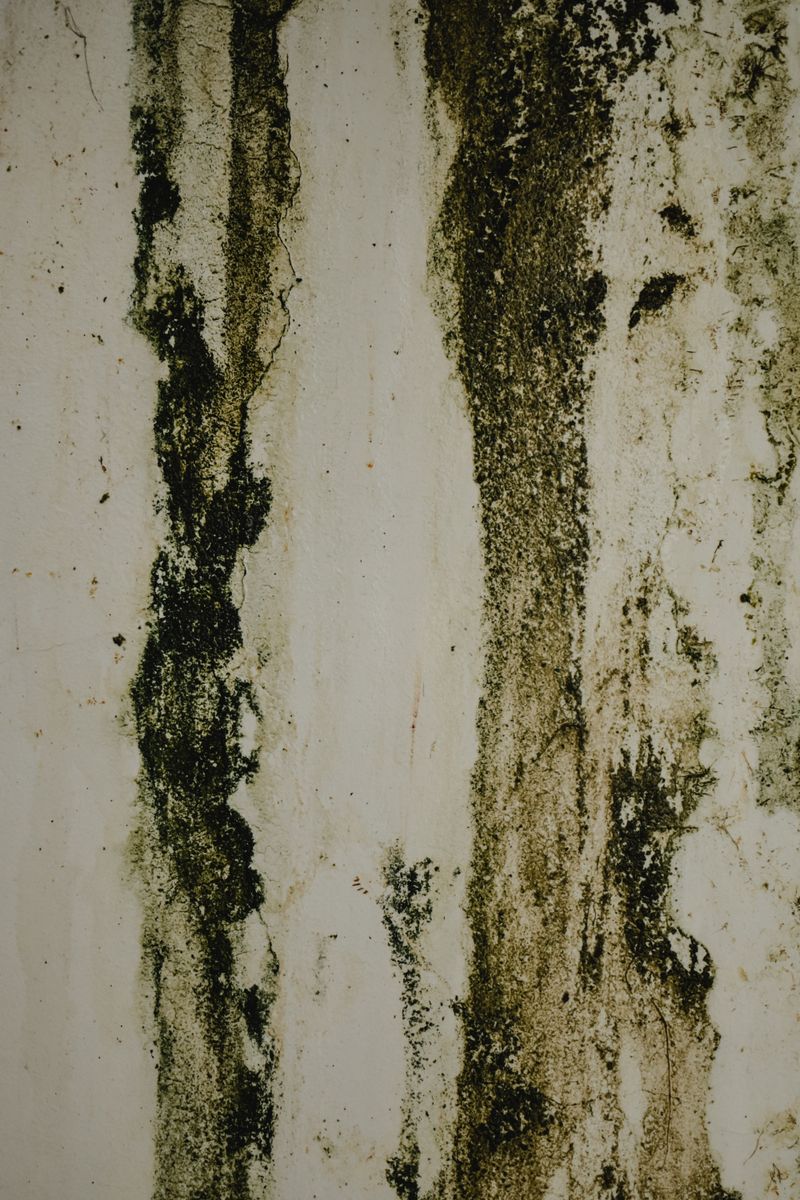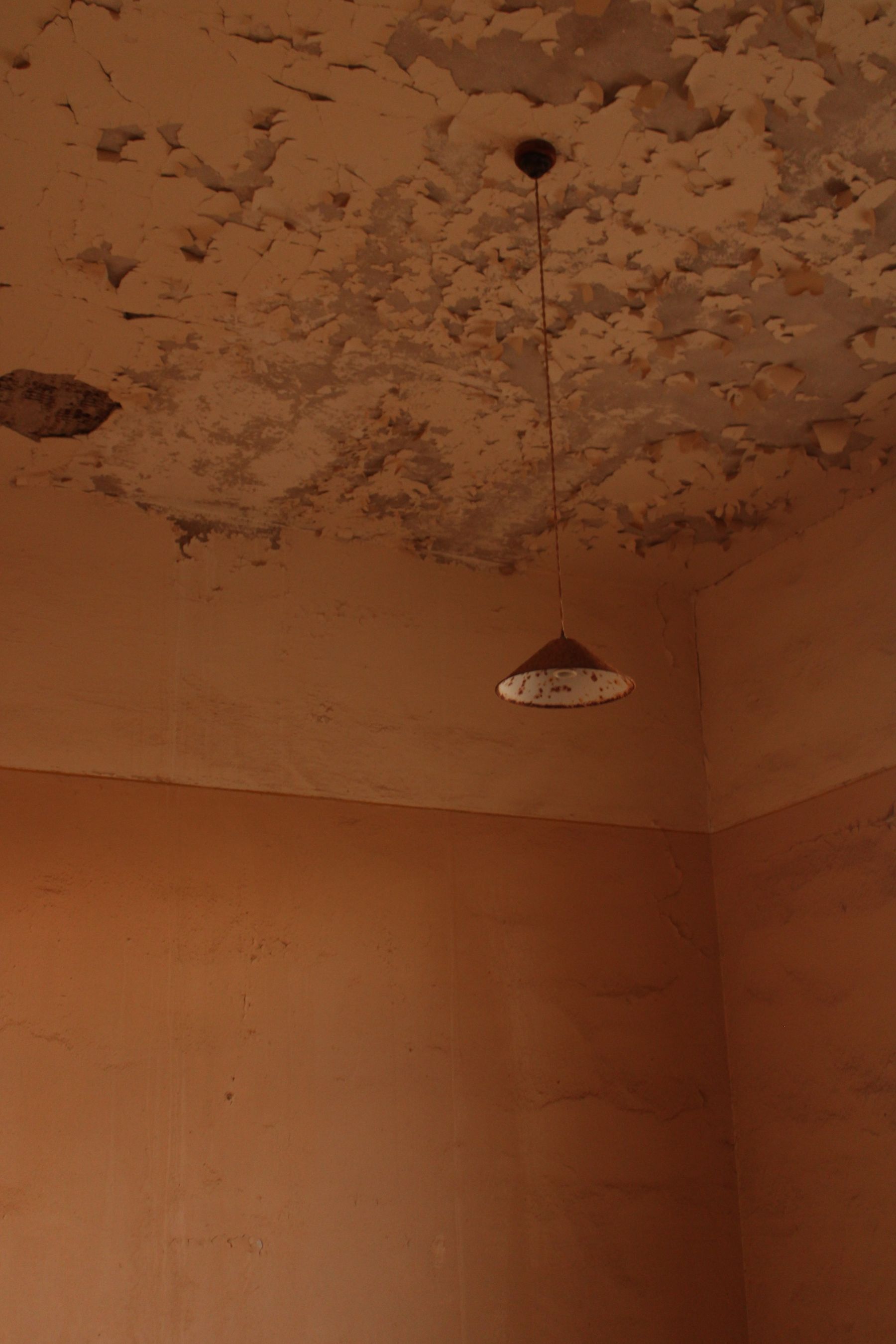
Ceiling water damage repair means finding the leak above the stain, removing saturated drywall, plaster or insulation, drying the joist cavity, then replacing, finishing and painting the ceiling. In Wilmington, ceiling leaks usually come from upstairs bathrooms, plumbing in the joists, flat rowhome roofs and storm-damaged flashing. A sagging or dripping ceiling is an emergency.
A water stain on the ceiling is a symptom, not the problem. Above it, water may have been soaking the insulation, pooling on top of the drywall or rotting the subfloor for days or weeks. Wet ceilings are heavy, and a saturated section of drywall or plaster can sag and come down without warning.
Ceiling water damage in Wilmington usually comes from one of two places: plumbing above (an upstairs bathroom, laundry room or a pipe in the joist space) or the roof (a flat rowhome roof, worn flashing, a clogged gutter or storm damage). Tracing the leak correctly matters, because water can travel along joists and appear several feet from where it enters.
Repair means finding and fixing the source, removing saturated material, drying the joist cavity, and then replacing, finishing and painting so the ceiling matches the rest of the room.
Ceiling Water Damage Repair at a glance
- Availability
- 24/7, including nights, weekends & holidays
- Service area
- Wilmington, DE: 19801, 19802, 19803, 19804, 19805, 19806, 19807, 19808, 19809, 19810, 19850, 19880, 19884, 19885, 19886, 19890, 19893, 19894, 19895, 19896, 19898, 19899
- Common sources
- Upstairs bathrooms, joist plumbing, flat roofs, storm damage, HVAC condensate
- Emergency sign
- Sagging or bulging ceiling, drips from light fixtures
- Repair steps
- Trace the leak, remove wet material, dry the cavity, replace & match finish
- Mold risk
- Rises if the cavity stays wet more than 24–48 hours
Common Causes of Ceiling Leaks
Where the stain is located is often a good clue to the cause.
Upstairs Bathrooms
Failing toilet wax rings, shower pan leaks, cracked grout and tub overflow gaskets drip into the ceiling below.
Flat & Low-Slope Roofs
Rowhome and rear-addition roofs pond water, and worn membranes, seams and flashing leak during heavy rain.
Storm-Damaged Roofing
Nor’easter and tropical storm winds lift shingles and flashing, and wind-driven rain finds the gaps.
Plumbing in the Joists
Supply lines, drain stacks and radiator or sprinkler pipes run between floors and can leak at fittings or freeze.
HVAC Condensate
Clogged condensate lines and overflowing drain pans from attic air handlers drip into ceilings, especially in humid summers.
Gutters, Chimneys & Skylights
Clogged box gutters, worn chimney flashing and old skylight seals are common leak points on older homes.
Ceiling Damage Warning Signs
- Yellow or brown water rings
- Bubbling or peeling ceiling paint
- Sagging or bowing drywall or plaster
- Dripping from light fixtures or vents
- Cracks along drywall seams or in plaster
- Soft or crumbling texture
- A musty odor in upstairs rooms
- Dark spotting that may indicate mold
If a ceiling is bulging with water, keep people out of the room and away from the light fixtures underneath. Don’t puncture it yourself unless you can safely catch the water and stand clear of falling material.
Ceiling Sagging or Dripping?
A water-filled ceiling can drop without warning. To limit damage:
- Shut off water to the floor above or at the main valve
- Turn off power to light fixtures in the affected room
- Move furniture and electronics out from under the leak
- Put down buckets and plastic sheeting
How Does Ceiling Water Damage Repair Work?
Ceiling Water Damage Repair in Wilmington follows four steps:
Trace the Leak
Moisture meters and thermal imaging follow water back to its source, whether that’s plumbing, the roof or HVAC.
Remove Damaged Material
Saturated drywall, plaster and insulation are cut out cleanly, with containment if needed to keep debris and dust in one area.
Dry the Cavity
Joists, subfloor and surrounding materials are dried and checked with moisture readings before anything is closed.
Replace, Finish & Paint
New drywall is hung and finished or plaster is repaired, the texture is matched, and the ceiling is painted.
What Does Ceiling Water Damage Repair Include?
- Leak detection & source tracing
- Safe removal of sagging drywall or plaster
- Wet insulation removal & replacement
- Joist & subfloor drying
- Mold check of the cavity
- Drywall replacement & finishing
- Plaster repair & texture matching
- Stain-blocking primer & paint
Painting over a water stain without fixing the source and drying the cavity almost always fails. The stain bleeds back through, or the leak keeps going and causes more damage. Stain-blocking primer is only the last step of a proper repair.
Flat Roofs and Plaster: Wilmington Ceiling Culprits
Thousands of Wilmington rowhomes have flat or low-slope roofs on the main house and the rear addition. They work well when maintained, but ponding water, aging membranes and clogged scuppers or downspouts lead to leaks, especially during nor’easters that bring days of rain. Because water travels along the joists, the stain often shows up a few feet from the actual leak.
Older homes in Trolley Square, the Highlands and downtown also have plaster ceilings. Plaster can often be dried and saved if it’s still firmly attached to the lath, but once the keys break, a wet section can let go suddenly. A growing stain or a ceiling that sounds hollow when tapped is worth an inspection.
Ceiling Water Damage Repair by Wilmington Area & ZIP Code
Ceiling Water Damage Repair is available in every Wilmington ZIP code. Here’s what to know in each part of the service area:
| Area | ZIP codes | What to know locally |
|---|---|---|
| Downtown Wilmington & Riverfront | 19801 | Flat rowhome roofs and upstairs bathrooms leak into plaster ceilings, which can often be dried in place if the plaster is still keyed to the lath. |
| Northeast Wilmington & Brandywine Village | 19802 | Flat and low-slope rowhome roofs and aging upstairs bathrooms are the leading sources of ceiling stains here. |
| Trolley Square & the Highlands | 19806 | Flat roofs, box gutters and upstairs bathrooms leak into plaster ceilings that can drop suddenly once they separate from the lath. |
| Little Italy, Hilltop & Elsmere | 19805 | Upstairs bathrooms with aging wax rings and shower pans leak into the ceilings below in older rowhomes and twins. |
| Greenville, Centreville & Westover Hills | 19807 | Several upstairs bathrooms and wet bars mean more fixtures that can leak into finished ceilings below. |
| Brandywine Hundred, Talleyville & Arden | 19803, 19810 | Original upstairs bathrooms with worn shower pans and wax rings frequently leak into the ceilings below. |
| Edgemoor, Bellefonte & Fox Point | 19809 | Wind-driven rain gets under shingles and flashing during coastal storms, leading to ceiling leaks on upper floors. |
| Newport, Stanton & Prices Corner | 19804 | In townhomes and apartments, an upstairs supply line or water heater leak shows up in the ceiling of the unit below. |
| Pike Creek, Marshallton & Kirkwood Highway | 19808 | In stacked condos and townhomes, a leak in the unit above is the most common cause of ceiling damage. |