Mold needs wet materials to grow, and Wilmington homes have plenty of chances to provide them: humid summers, older basements that seep after storms, crawlspaces under rear additions, and leaks that go unnoticed inside walls. When moisture isn’t fully dried, mold can grow behind walls, under floors and in attics, where you won’t see it until it has spread.
- Wilmington’s humid summers and old, damp basements give mold plenty of chances to grow.
- A persistent musty odor is often the first sign of hidden mold.
- Basements, crawlspaces, bathrooms, attics and under sinks are the most common hiding spots.
- EPA guidance suggests professionals handle areas larger than about 10 square feet.
1. A musty odor that won’t go away
A persistent earthy, musty smell is often the first and best clue. It’s usually strongest in closets, basements and under sinks, or when the HVAC first kicks on. If the smell comes back after cleaning and airing out, there’s likely moisture and growth somewhere you can’t see.
2. Stains and discoloration
- Water rings or yellowish stains on ceilings and walls
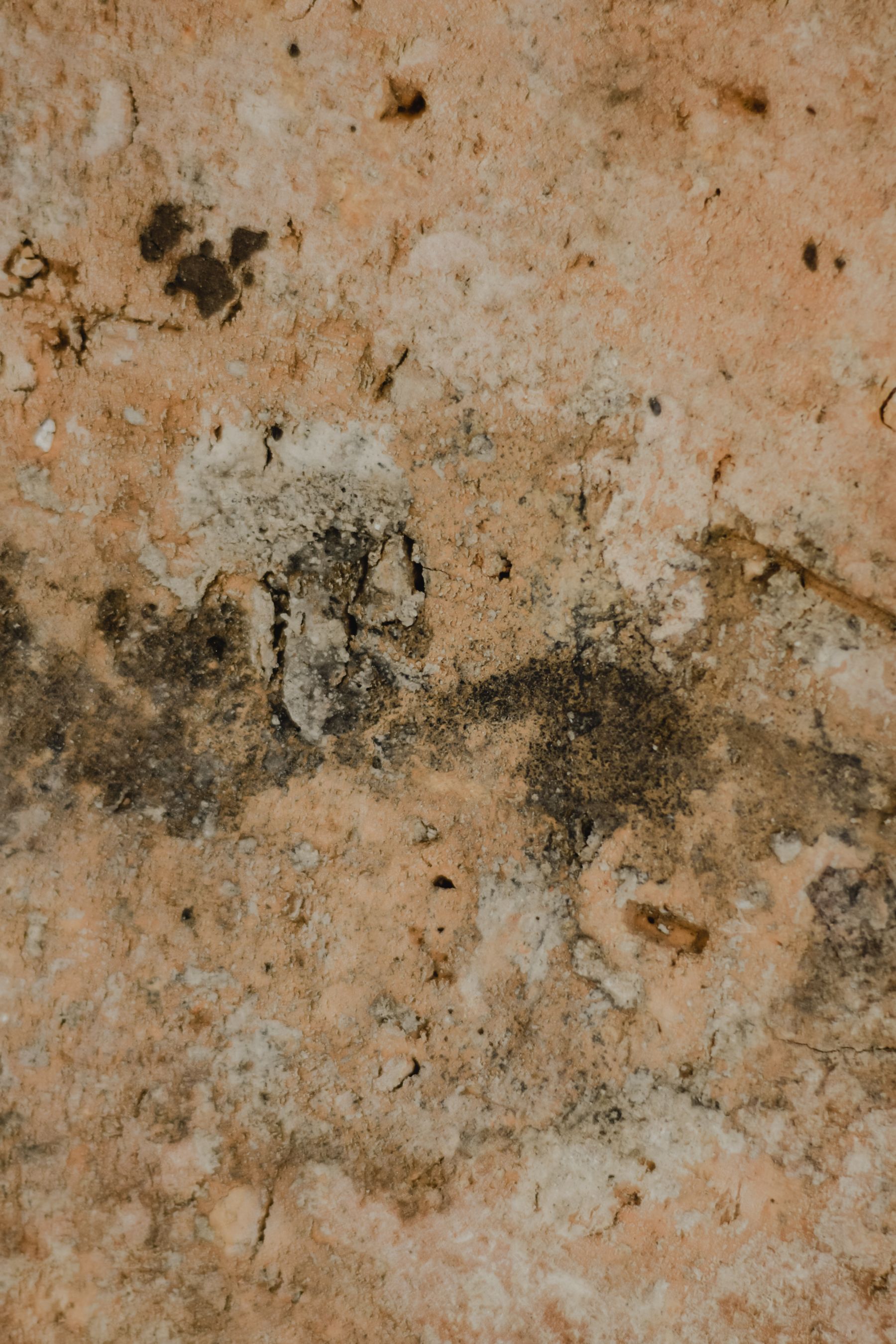
- Dark spots along baseboards or in wall corners
- Discoloration on window sills and frames
- Black or green spotting on grout or caulk that returns quickly after cleaning
3. Changes in building materials
Bubbling or peeling paint, warped drywall, cracked or crumbling plaster, swollen baseboards, cupped hardwood and soft spots in flooring all suggest moisture has been present for a while. Where there’s long-term moisture, mold often follows.
4. A water history
If your home had a leak, flood, sump failure or sewer backup that wasn’t professionally dried, the materials involved are prime candidates for hidden growth. That’s especially true for finished basements, where carpet pad and drywall dry slowly.
5. High indoor humidity
Condensation on windows, sweating cold-water pipes, and a basement that feels clammy all summer are signs of humidity high enough to support mold. Keeping indoor relative humidity below about 50 to 60 percent, with a dehumidifier if needed, makes a real difference.
6. Symptoms that improve when you leave
Some people notice stuffiness, sneezing, itchy eyes or worsened asthma at home that ease when they’re elsewhere. These symptoms have many possible causes, so talk to a doctor, but they’re worth noting alongside other signs.
Where mold hides in Wilmington homes
- Basements: on stone or block walls, behind paneling and drywall, under carpet near exterior walls, and around the sump pit
- Crawlspaces: on joists and subfloor above exposed soil, especially under rowhome rear additions
- Bathrooms: inside walls behind showers, under vanities, and in ceilings when the exhaust fan is weak or missing
- Attics and top floors: on roof sheathing after roof leaks, or where bathroom fans vent into the attic instead of outside
- Kitchens: under sinks and dishwashers, and behind refrigerators with ice-maker lines
- HVAC: around air handlers, drain pans and condensate lines
How to check
Use a flashlight and look at the back of sink cabinets, around the water heater and furnace, in basement corners, in the crawlspace and in the attic. Hardware-store moisture meters can help confirm a damp area, but professional thermal imaging and meters can find moisture behind finished surfaces without tearing them open.
Do you need mold testing?
Not always. If you can see mold, or there’s a known moisture problem with a musty odor, the next step is fixing the moisture and removing the growth, not proving it’s there. Testing is most useful when you suspect hidden mold but can’t find it, or after remediation, when an independent test can confirm the area is clean.
When to call a professional
EPA guidance suggests homeowners can often handle small areas of mold, roughly less than 10 square feet, if they fix the moisture and use proper protection. Call a professional for larger areas, mold inside walls or HVAC systems, mold from sewage or floodwater, or if anyone in the home has health concerns. See mold remediation for how containment and removal work.
Related service: Mold Remediation in Wilmington, DE.
Sources & industry standards
This guide is general information for Wilmington-area homeowners, written with reference to the sources above. It isn’t professional, legal or insurance advice. See our editorial standards.