You’ve called for help and a crew is on the way. Here’s how to make the most of the time between the call and their arrival, safely.
- Stay out of standing water near outlets, and out from under sagging ceilings.
- Shut off the water and move valuables to a dry room.
- Photograph everything and write down a timeline for your insurer.
- Clear a path and secure pets so the crew can start immediately.
Safety first
- Stay out of standing water if there’s any chance outlets, cords or appliances are submerged.
- If you can reach the panel from a dry spot, turn off breakers for wet areas.
- Keep everyone out from under sagging ceilings.
- If the water came from a toilet, a drain or outside, avoid contact and keep kids and pets away.
Limit the spread
- Make sure the water is shut off at the fixture or the main valve.
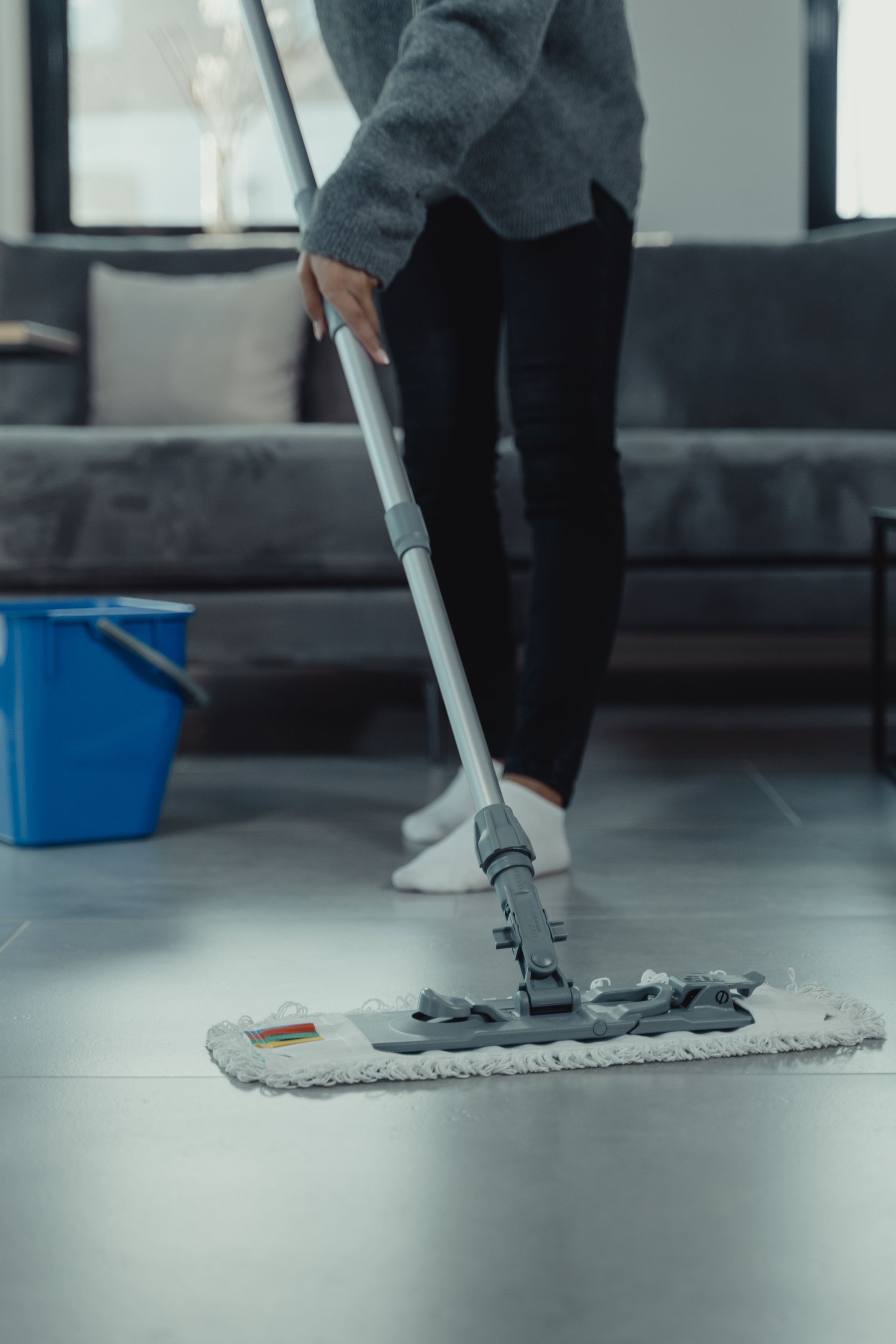
- Use towels to keep water from flowing into dry rooms or down stairways.
- Blot clean water from hardwood floors and furniture.
- Put buckets under ceiling drips. Stay clear of any ceiling that’s bulging with water.
- In a rowhome or condo, let your neighbor or building manager know water may be heading their way.
Protect your belongings
- Move electronics, documents, photos and valuables to a dry room.
- Lift furniture and put foil, plastic or wood blocks under the legs.
- Pick up rugs, shoes, toys and anything stored on the floor.
- Pin up skirts on upholstered furniture and lift curtains off the floor.
- Take out wet books and papers. Freezing wet documents in sealed bags can preserve them until they can be dried.
Start documenting
Take photos and video of the water, the source and each affected room before things are moved further. Photograph damaged items along with labels, model numbers and receipts if you have them. This makes your insurance claim much easier.
Prepare for the crew
- Clear a path from the street or driveway to the affected area for hoses and equipment. On narrow city streets, note where a truck can park.
- Unlock gates and turn on exterior lights so the crew can find your address, especially at night.
- Put pets in a quiet room away from the work area.
- Have your insurance information handy, plus your claim number if you already have one.
- Write down when the leak started, when you found it and what you’ve done so far.
What to avoid
- Don’t use a household vacuum on water.
- Don’t use ceiling fans or lights in rooms with wet ceilings.
- Don’t turn on the HVAC if water reached ducts or if sewage is involved.
- Don’t apply heat to wet hardwood or start pulling up flooring yourself.
- Don’t throw anything away before it’s photographed.
When the crew arrives, they’ll confirm the source is stopped, check for hazards, identify the water category and start extraction. Read more about emergency water cleanup.
Related service: Emergency Water Cleanup in Wilmington, DE.
Sources & industry standards
This guide is general information for Wilmington-area homeowners, written with reference to the sources above. It isn’t professional, legal or insurance advice. See our editorial standards.