A water damage claim goes much more smoothly when you understand what your policy is likely to cover and you document the loss well from the start. This guide covers the basics for Delaware homeowners. Your specific policy language always controls, so read it and ask your agent about anything unclear.
- Homeowners policies generally cover sudden, accidental water damage like burst pipes.
- Flood, sewer backup and gradual leaks are commonly excluded or need added coverage.
- Stop the damage and document it before cleanup; drying logs support the claim.
- The Delaware Department of Insurance offers consumer help if a claim is disputed.
What’s usually covered
Standard homeowners policies are generally written to cover water damage that is sudden and accidental. Common examples include:
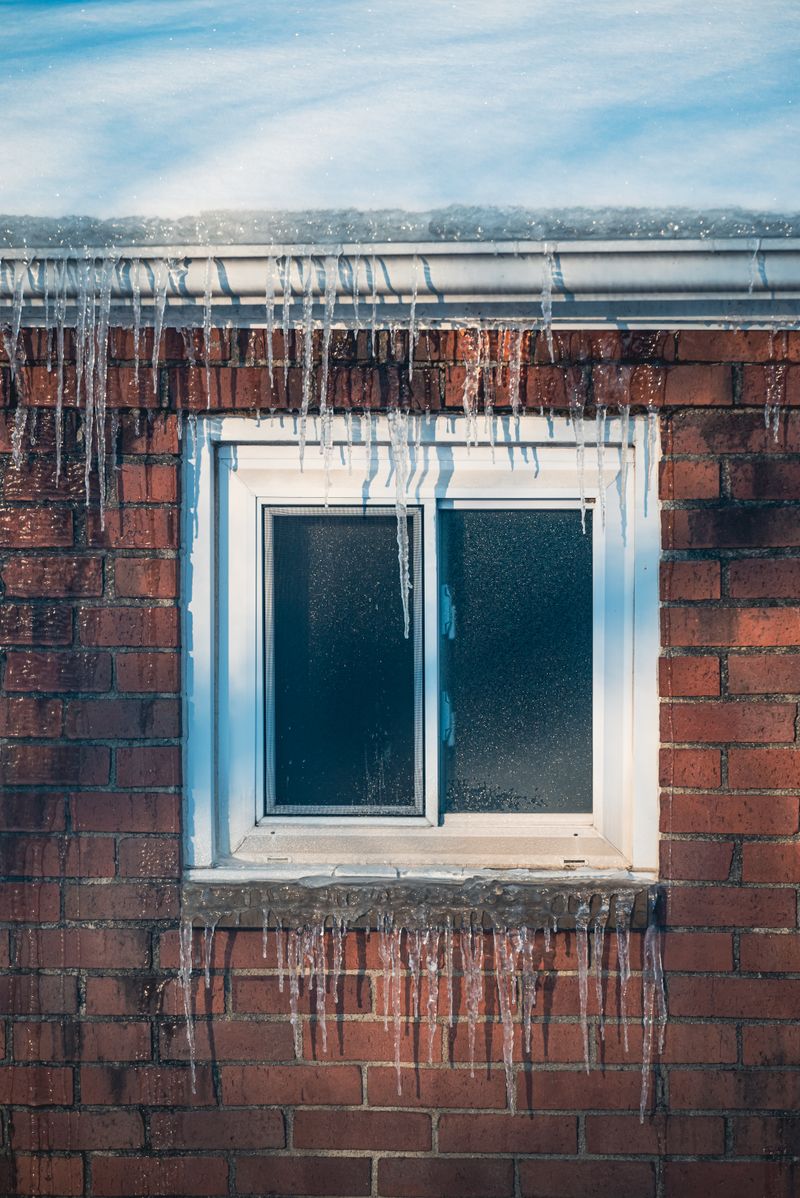
- A burst or frozen pipe
- A failed washing machine hose or water supply line
- A water heater that ruptures
- An overflowing appliance or fixture
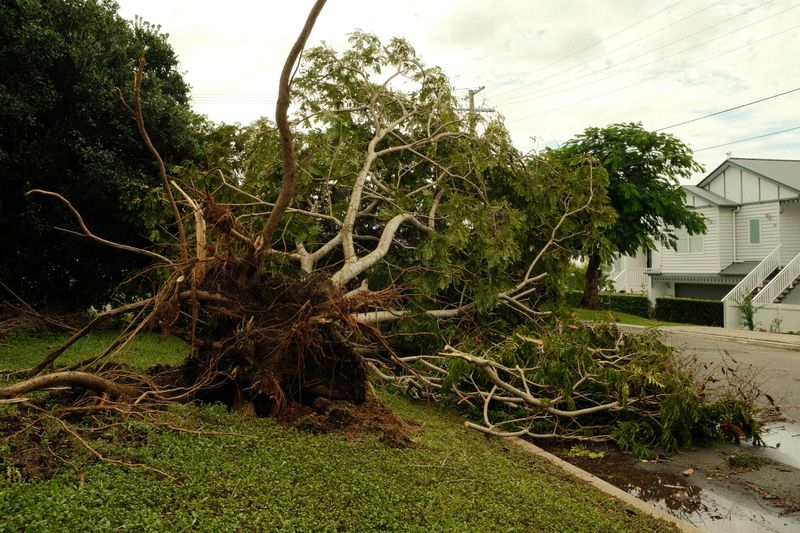
- Water that enters through a storm-damaged roof or window
- Water used to put out a fire
What’s often excluded
- Flood and surface water: water entering at ground level from rising rivers and creeks or overland runoff usually requires a separate flood policy.
- Sewer and drain backup: often excluded unless you’ve added a water backup endorsement.
- Sump pump overflow: often grouped with water backup coverage.
- Gradual leaks and wear: slow leaks over weeks or months, rot and deterioration are typically treated as maintenance issues.
- Mold: frequently excluded or capped, unless it results from a covered sudden loss.
| Type of water damage | Standard homeowners policy | What usually covers it |
|---|---|---|
| Burst or frozen pipe (sudden) | Usually covered | Homeowners policy (dwelling + contents) |
| Failed supply line or water heater | Usually covered | Homeowners policy |
| Roof leak from storm wind | Usually covered | Homeowners policy (a wind or named-storm deductible may apply) |
| River, creek or overland flooding | Usually excluded | Separate flood policy (NFIP or private) |
| Sewer or drain backup, sump overflow | Often excluded | Water backup endorsement |
| Slow leak over weeks or months | Usually excluded | Treated as maintenance |
| Mold | Often excluded or capped | Covered only when tied to a covered sudden loss, often with limits |
General guide only. Your policy language and your insurer’s decision control coverage.
Look for your deductible, any separate wind or named-storm deductible, water backup coverage and mold limits. Knowing these numbers up front helps you make decisions during the claim.
Step by step: filing the claim
- Stop the damage. Shut off the water and get emergency extraction and drying started. Policies generally require reasonable steps to prevent further damage, and delays can complicate the claim.
- Document before cleanup. Photograph and video every affected area, the source of the water and damaged belongings. Keep the failed part if you can.
- Report the loss promptly. Call your insurer or agent, get a claim number and ask what they need from you.
- Keep records. Save receipts for emergency services, hotel stays, meals and supplies. Additional living expenses may be covered if your home isn’t livable.
- Meet the adjuster. Walk them through the damage, and share the restoration company’s photos, moisture readings and drying logs.
- Review the scope. Compare the adjuster’s estimate with the restoration and repair scope, and ask about anything missing.
- Approve repairs. Once the structure is verified dry, reconstruction can begin.
Rowhomes, condos and HOAs
In attached homes, water often crosses from one property to another. Generally each owner’s policy covers damage to their own home, and in condos and townhome associations, the owner’s HO-6 policy usually covers interior finishes and contents while the association’s master policy covers common elements and structure. Notify your neighbor or association right away, document where the water came from, and report the damage to your own insurer.
Why restoration documentation matters
Restoration crews typically record moisture readings at the start of the job and on each visit, along with photos of wet materials before removal. Those drying logs show the extent of the damage, justify why materials were removed, and prove the structure was dry before it was closed up. Ask for copies for your records.
Choosing your restoration company
Your insurer may suggest restoration companies from a preferred network, which can be convenient. In general, though, you can choose who works on your home. What matters most is that the company responds quickly, documents thoroughly and communicates with both you and your adjuster.
Costs worth tracking
- Electricity used by drying equipment, which some insurers reimburse
- Temporary housing, meals and laundry if the home isn’t livable
- Pet boarding during major work
- Storage for contents during repairs
If you disagree with the adjuster
Ask for the reasoning in writing and provide any additional documentation, such as moisture logs, photos or a contractor’s scope. Many policies include an appraisal process for disputes over the amount of a loss. The Delaware Department of Insurance also offers consumer services and accepts complaints if you believe a claim was handled unfairly.
Related service: Water Damage Restoration in Wilmington, DE.
Sources & industry standards
This guide is general information for Wilmington-area homeowners, written with reference to the sources above. It isn’t professional, legal or insurance advice. See our editorial standards.