Wilmington grew up where the Brandywine meets the Christina River, close to the Delaware. That water is part of what makes the city, and it’s also why flooding is a real risk for some neighborhoods. Here’s what homeowners should know.
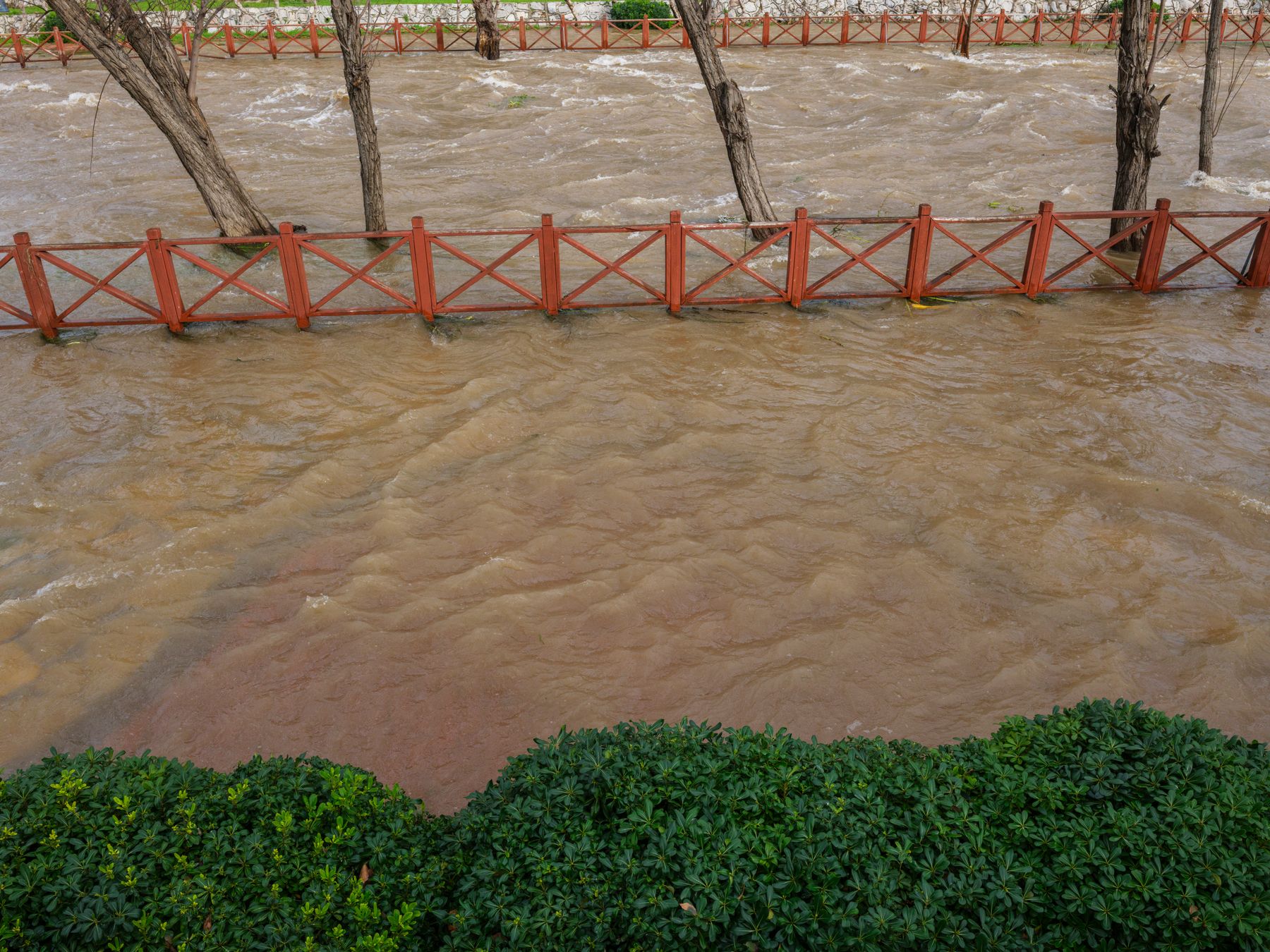
- The Brandywine, Christina River and Red Clay Creek can all flood in tropical storms and long, heavy rains.
- The remnants of Ida pushed the Brandywine to record levels in Wilmington in September 2021.
- Check your flood zone on FEMA’s Flood Map Service Center; homeowners policies exclude flood.
- Floodwater is Category 3, so anything porous it touches is usually removed.
Where flooding happens
- Along the Brandywine: Brandywine Village, Northeast Wilmington and homes near Brandywine Park and the creek’s banks. In September 2021, the remnants of Hurricane Ida pushed the Brandywine to record flood levels in the city.
- Near the Christina: low ground in Southbridge, along the Riverfront and on the south side of the city.
- Red Clay and White Clay Creeks: low streets in Newport, Stanton and nearby neighborhoods have a long flooding history.
- Smaller streams: Little Mill Creek, Shellpot Creek and others can rise quickly in heavy rain and flood nearby low spots.
- Anywhere with overloaded drains: intense downpours can overwhelm storm sewers and push water into basements far from any creek.
When floods happen
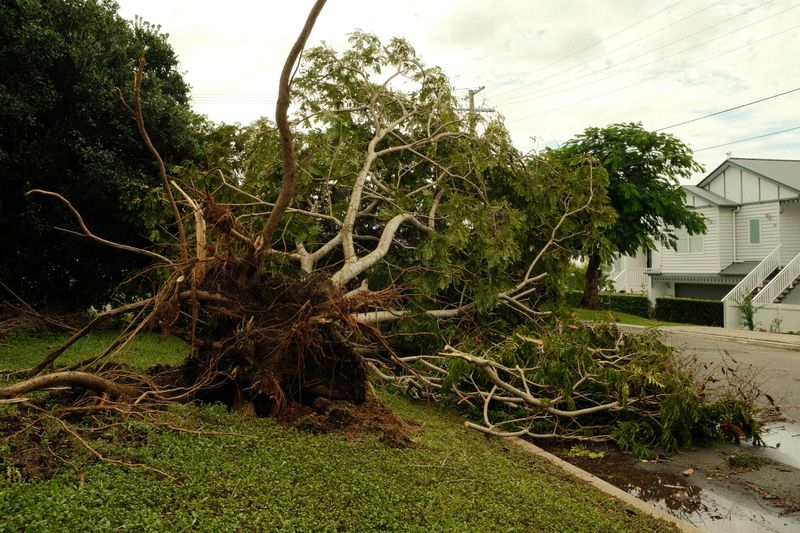
The biggest floods usually come from tropical storms and hurricane remnants, which bring several inches of rain in a short time, mostly from August through October. Nor’easters can also bring days of rain that saturate the ground. Flash flooding from slow-moving summer thunderstorms affects small streams and low streets.
How to check your flood risk
- Search your address on FEMA’s Flood Map Service Center to see its mapped flood zone.
- Ask neighbors and your town or the city about past flooding on your street. Local history is often more telling than a map.
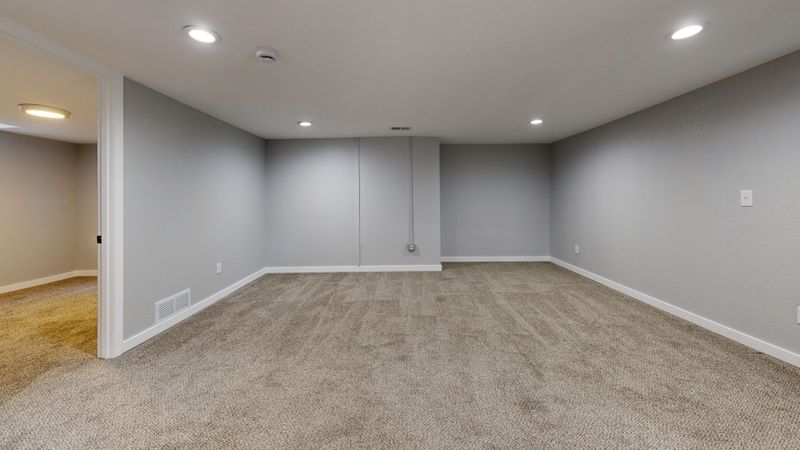
- Look at your own property: is the basement below street level? Does water collect in the yard after storms?
Many flood insurance claims come from properties outside mapped high-risk zones, so a moderate- or low-risk designation doesn’t mean no risk.
Flood insurance basics
Standard homeowners policies exclude flood. Coverage comes from the National Flood Insurance Program, sold through regular insurance agents, or from private flood insurers. NFIP policies typically have a 30-day waiting period before they take effect, so don’t wait until a storm is in the forecast. Contents coverage is purchased separately from building coverage, and basement coverage under NFIP policies is limited, so ask your agent what’s included.
Before a flood
- Store valuables, documents and keepsakes above basement level.
- Elevate the furnace, water heater and electrical panel if you’re renovating.
- Install a backwater valve to help keep sewage from backing up during floods.
- Keep a battery backup on the sump pump and test it.
- Know your evacuation route and sign up for local emergency alerts.
After a flood
- Don’t return until officials say it’s safe, and never walk or drive through floodwater.
- Don’t enter a flooded basement if the power is on or outlets may be underwater.
- Photograph water lines and damage before cleanup, and report the loss to your flood insurer.
- Treat everything floodwater touched as contaminated, and wear gloves and boots.
- Get professional extraction and drying started quickly to limit mold.
Floodwater is Category 3 water, so carpet, pad, insulation and drywall it touched are usually removed rather than dried. See flood damage repair for what the cleanup involves.
Related service: Flood Damage Repair in Wilmington, DE.
Sources & industry standards
This guide is general information for Wilmington-area homeowners, written with reference to the sources above. It isn’t professional, legal or insurance advice. See our editorial standards.