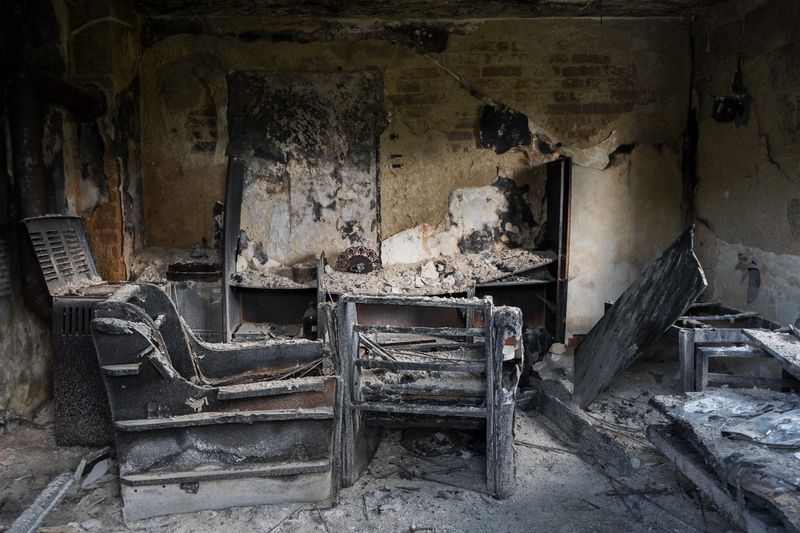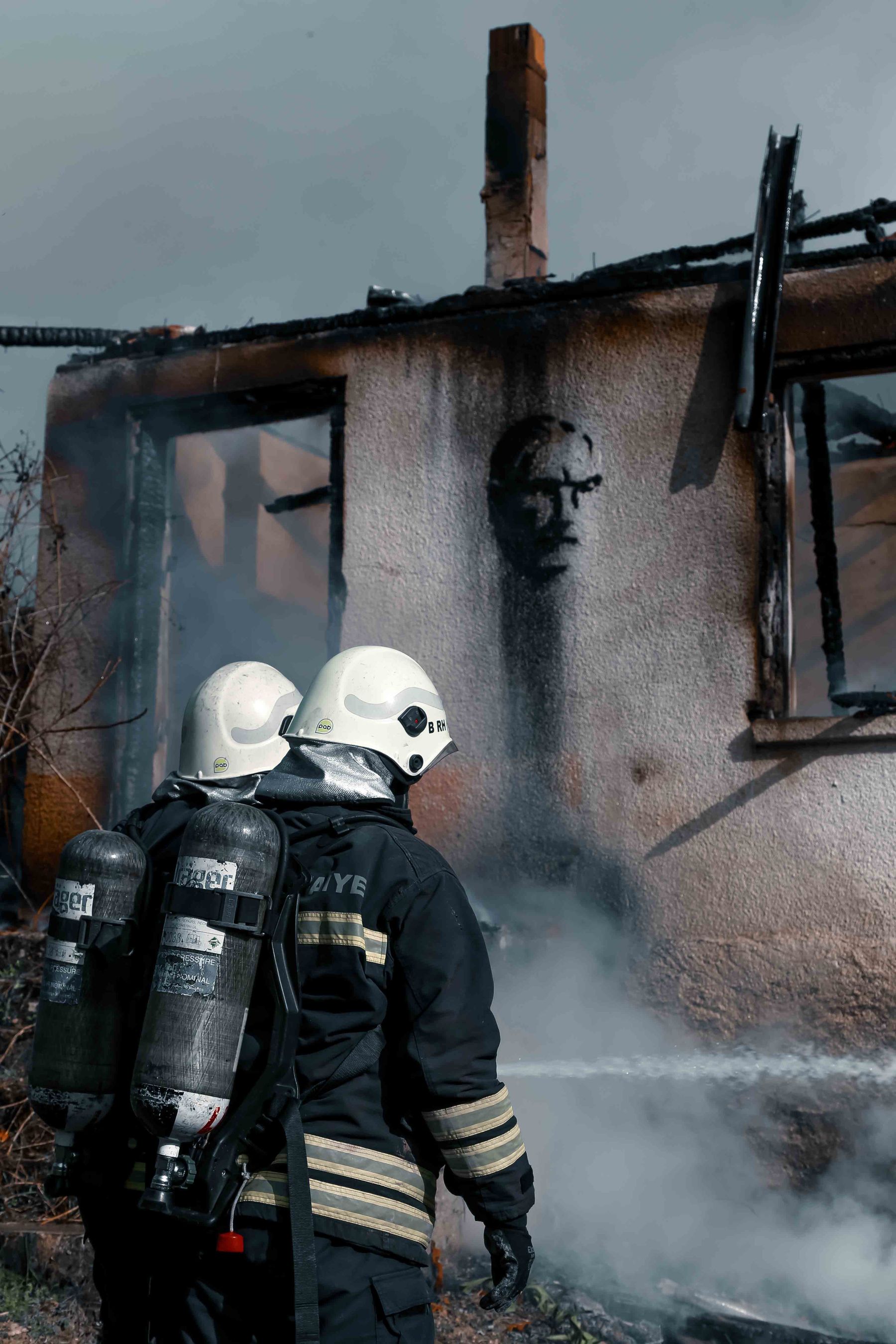
Fire damage restoration secures the building, removes debris, extracts the water used in firefighting, cleans soot and smoke residue, removes odor and rebuilds damaged areas. Because firefighting soaks floors, walls and ceilings, almost every fire loss in Wilmington is also a water damage job, and in rowhomes it often reaches the house next door. Work can start with board-up once the fire department releases the property.
When the fire trucks leave, the damage is not finished. Soot is acidic and begins etching surfaces and staining materials within hours. Smoke works its way into insulation, HVAC ducts and wall cavities. And the water used to put out the fire soaks floors, walls and ceilings, which means a fire loss is almost always a water loss as well.
Fire damage restoration addresses all of it in the right order: securing the property, removing debris and unsalvageable materials, drying water damage, cleaning soot and smoke residue from surfaces and contents, removing odors, and rebuilding.
Fires in Wilmington homes most often start in kitchens, from heating equipment or from electrical faults. In rowhomes and twins, a fire in one home often damages the house next door through shared walls, joists and attic space, even when the flames never cross over.
Fire Damage Restoration at a glance
- Availability
- 24/7, including nights, weekends & holidays
- Service area
- Wilmington, DE: 19801, 19802, 19803, 19804, 19805, 19806, 19807, 19808, 19809, 19810, 19850, 19880, 19884, 19885, 19886, 19890, 19893, 19894, 19895, 19896, 19898, 19899
- First step
- Emergency board-up and tarping
- Also involves
- Water extraction and drying from firefighting
- Residue types
- Dry smoke, wet smoke and protein (kitchen) residue
- Contents
- Often cleanable; pack-out inventory supports insurance
Fire Damage Restoration Covers
Fire, smoke and water each cause different kinds of damage, and each needs its own approach.
Emergency Board-Up
Broken windows, doors and roof openings are secured to protect against weather, trespassers and further loss.
Debris & Tear-Out
Charred materials, burned contents and unsalvageable drywall, plaster and insulation are removed safely.
Firefighting Water Removal
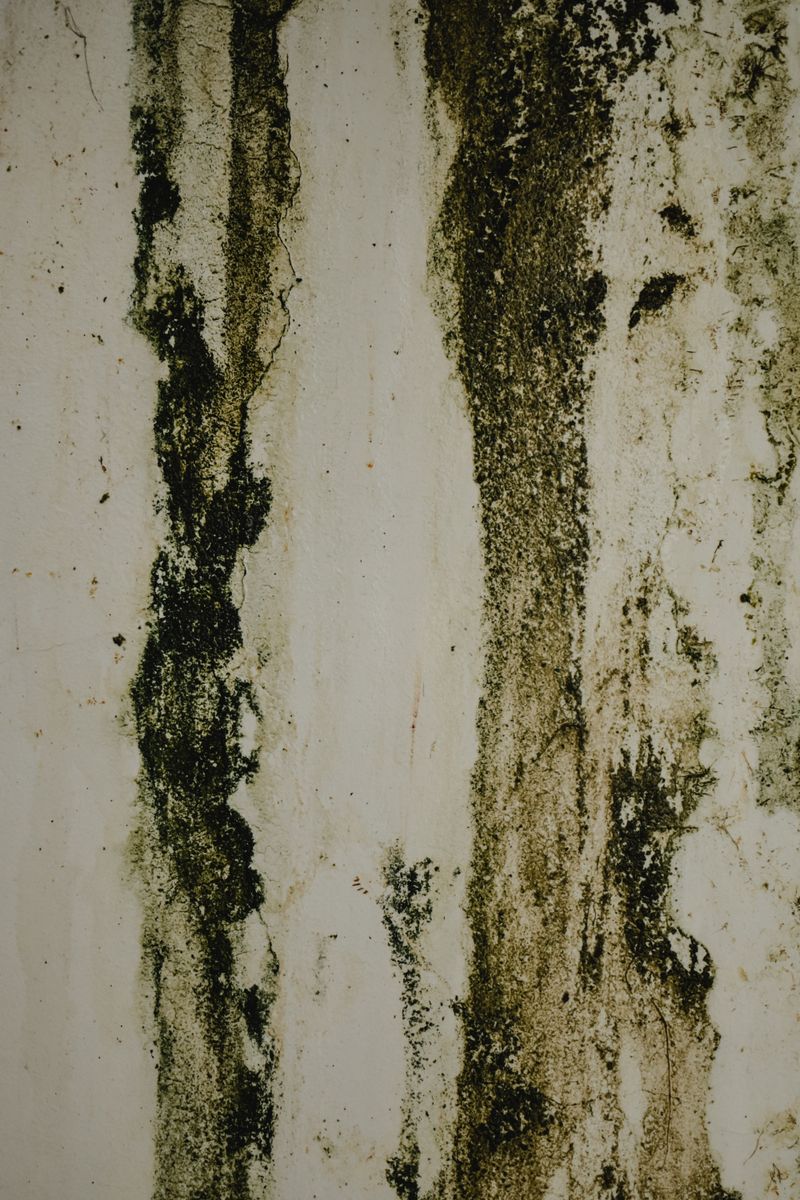
Water from hoses and sprinklers is extracted, and the structure is dried before mold can set in.
Soot & Residue Cleaning
Different residues, whether dry soot, wet smoke or protein residue from kitchen fires, need different cleaning methods.
Odor Removal
Air scrubbers, thermal fogging and hydroxyl or ozone treatment target smoke odor in the structure and contents.
Reconstruction
Framing, drywall, cabinets, flooring and finishes are rebuilt to restore the home to pre-loss condition.
Damage That’s Easy to Miss After a Fire
- Soot inside HVAC ducts and returns
- Smoke odor in insulation and wall cavities
- Water soaked into subfloor from firefighting
- Discolored grout, metal fixtures and appliances
- Residue on ceilings in rooms far from the fire
- Damaged electrical wiring near the fire area
- Smoke residue inside cabinets and closets
- Smoke and water damage in the adjoining home
Don’t enter a fire-damaged home until the fire department says it’s safe, and have utilities checked before they’re turned back on.
Just Had a Fire?
Your family’s safety comes first. Once the fire department releases the property:
- Don’t try to wipe soot, since it smears and sets
- Don’t turn on HVAC or ceiling fans
- Don’t eat food that was exposed to heat or smoke
- Call your insurance company and request board-up
How Does Fire Damage Restoration Work?
Fire Damage Restoration in Wilmington follows four steps:
Secure & Assess
The property is boarded up and tarped, and the fire, smoke and water damage is assessed and documented.
Remove Water & Debris
Water from firefighting is extracted, and debris and unsalvageable materials are removed.
Clean & Deodorize
Soot is cleaned from surfaces, contents are cleaned or packed out, and odor treatment begins.
Rebuild
Damaged structure and finishes are restored, from framing and drywall to cabinets, flooring and paint.
What Does Fire Damage Restoration Include?
- Emergency board-up & tarping
- Water extraction & drying
- Debris removal & tear-out
- Soot removal from surfaces
- Contents pack-out & cleaning
- HVAC & duct cleaning coordination
- Odor removal treatments
- Full reconstruction
Contents can often be saved. Furniture, clothing, electronics and documents can be professionally cleaned or restored, and a pack-out inventory helps track every item for your insurance claim.
Fires in Attached Homes
A large share of Wilmington’s housing is attached: rowhomes, twins, townhomes, condos and apartments. When one unit has a fire, neighbors often deal with smoke residue drawn through shared walls and attics, and with water from firefighting that runs through the shared structure. Each owner’s homeowners policy typically covers their own home, so neighbors should document damage and report it to their own insurer.
Older homes also bring older heating systems. Oil-fired boilers and furnaces are still common in parts of northern Delaware, and a malfunction can cause a puff-back that spreads soot through the whole house without any flames. That’s handled as a smoke and soot cleanup rather than a fire rebuild.
Fire Damage Restoration by Wilmington Area & ZIP Code
Fire Damage Restoration is available in every Wilmington ZIP code. Here’s what to know in each part of the service area:
| Area | ZIP codes | What to know locally |
|---|---|---|
| Downtown Wilmington & Riverfront | 19801 | In attached rowhomes, fire, smoke and firefighting water often reach the house next door through shared walls, joists and attics. |
| Northeast Wilmington & Brandywine Village | 19802 | Attached rowhomes and twins mean fire and firefighting water often affect more than one home. |
| Trolley Square & the Highlands | 19806 | Fireplaces, older wiring and attached homes are common factors, and firefighting water reaches plaster ceilings below. |
| Little Italy, Hilltop & Elsmere | 19805 | In attached rowhomes and duplexes, fire and firefighting water frequently affect the neighboring home. |
| Greenville, Centreville & Westover Hills | 19807 | Fireplaces, large kitchens and attached garages are common origins, and firefighting water reaches finished lower levels. |
| Brandywine Hundred, Talleyville & Arden | 19803, 19810 | Kitchen fires and older electrical systems are common sources, and firefighting water often reaches the basement below. |
| Edgemoor, Bellefonte & Fox Point | 19809 | Older wiring and heating equipment are common factors, and firefighting water reaches crawlspaces and basements. |
| Newport, Stanton & Prices Corner | 19804 | Kitchen fires and older electrical systems are common, and attached townhomes and apartments can be affected together. |
| Pike Creek, Marshallton & Kirkwood Highway | 19808 | Fires in attached townhomes and condos often affect neighboring units with smoke and firefighting water. |