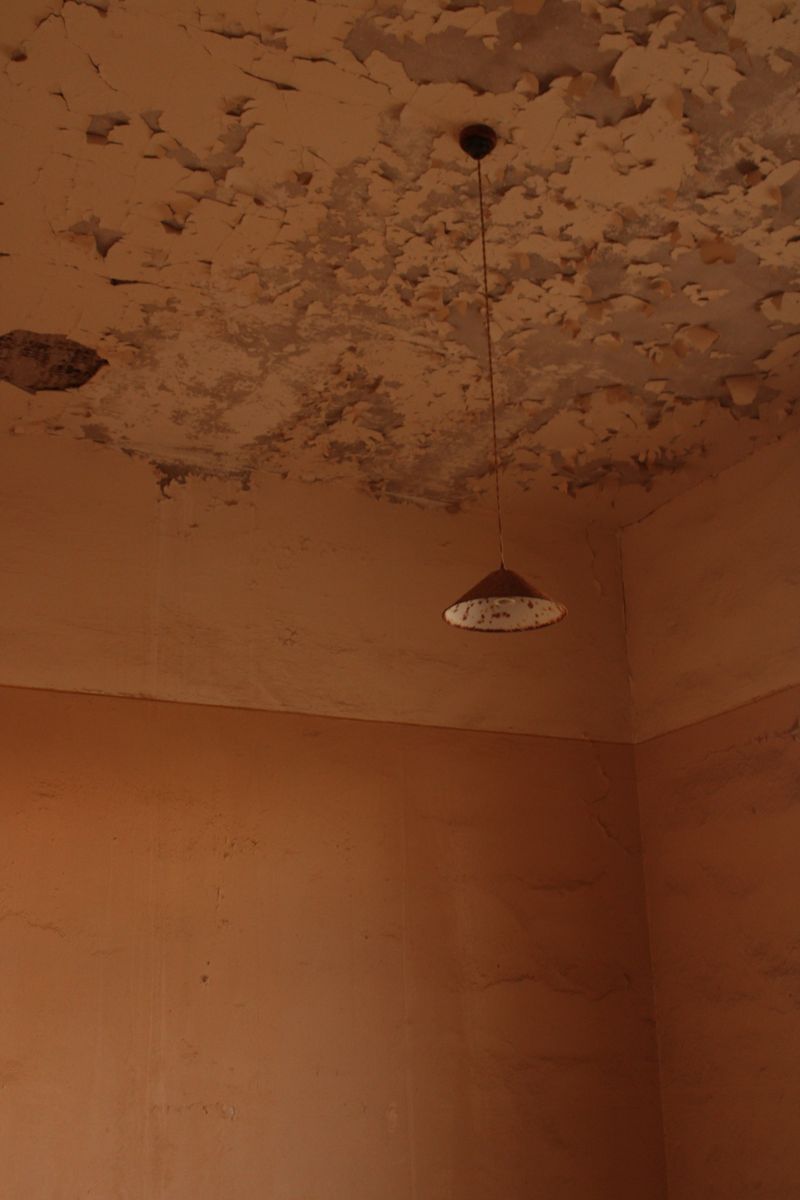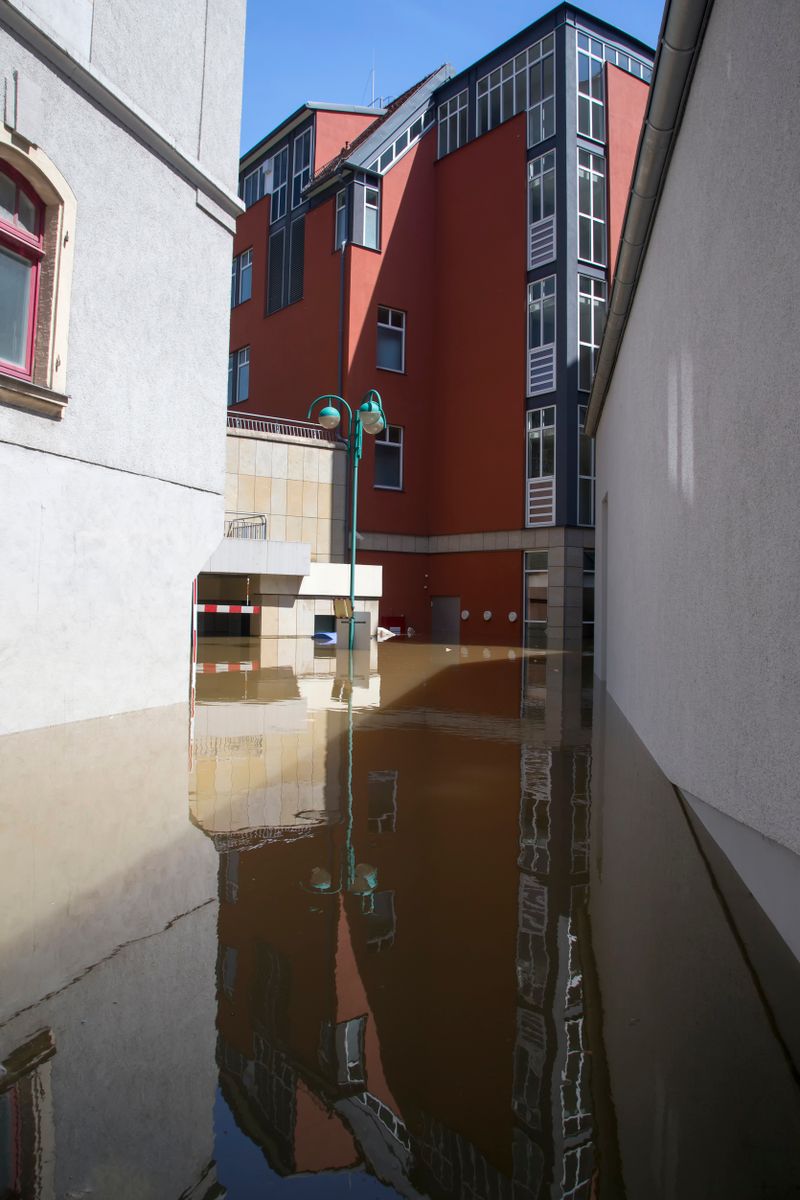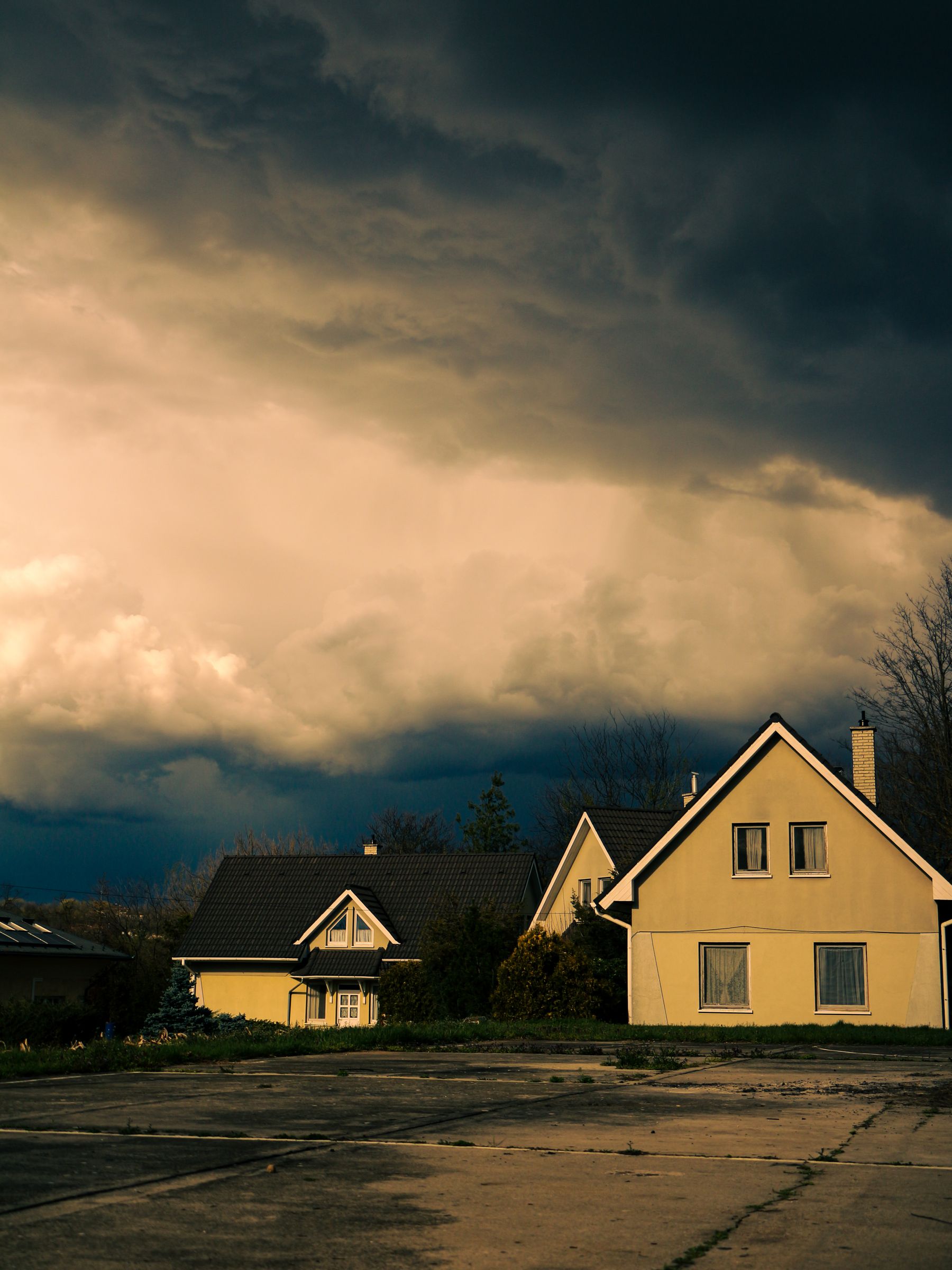
Storm damage restoration secures the property with emergency tarping or board-up, then removes water that came through damaged roofs, windows and siding, dries the structure and completes interior repairs. Wilmington’s biggest storm risks are nor’easters from fall through spring and tropical storms from August through October. Wind damage is typically covered by homeowners insurance; flooding needs separate flood coverage.
Wilmington sees two main kinds of damaging storms. Tropical storms and the remnants of Atlantic hurricanes arrive mostly from August through October with heavy rain and strong gusts, and nor’easters roll up the coast from fall through spring with days of wind-driven rain, and sometimes heavy snow. Severe summer thunderstorms add sudden downpours and wind.
Storm damage restoration deals with both sides of the problem: securing the building against more weather, and dealing with the water that has already come in. Tarps and board-up stop the next rain from making it worse, while extraction and drying keep ceilings, insulation and walls from turning into a mold problem.
Mature trees are part of what makes Wilmington’s neighborhoods attractive, and they’re also one of the biggest storm risks. Limbs and whole trees coming down on roofs, porches and cars are common after strong storms, and an opening in the roof lets rain straight in.
Storm & Hurricane Damage at a glance
- Availability
- 24/7, including nights, weekends & holidays
- Service area
- Wilmington, DE: 19801, 19802, 19803, 19804, 19805, 19806, 19807, 19808, 19809, 19810, 19850, 19880, 19884, 19885, 19886, 19890, 19893, 19894, 19895, 19896, 19898, 19899
- Peak seasons
- Tropical storms Aug–Oct; nor’easters Oct–Apr
- Emergency services
- Roof tarping, window/door board-up, water extraction
- Insurance
- Wind usually covered; some policies carry a wind or named-storm deductible
- Hidden damage
- Leaks can appear days or weeks after a storm
Storm Damage Common in Northern Delaware
Coastal and tropical storms can deliver several kinds of damage at once.
High Winds
Tropical storm and nor’easter gusts strip shingles, lift flashing and peel back flat-roof membranes.
Fallen Trees & Limbs
Saturated ground and strong wind bring trees down onto roofs, porches and rear additions.
Wind-Driven Rain
Rain pushed sideways gets in around windows, doors, vents, siding seams and chimney flashing.
Flooding
Tropical rainfall swells the Brandywine, Christina and local creeks and overwhelms storm drains.
Lightning & Power Loss
Outages stop sump pumps and can lead to basement flooding when power doesn’t come back quickly.
Winter Storms
Heavy snow and ice load gutters and roofs, and freeze-thaw cycles open gaps that leak later.
After a Storm, Check For
- Missing, lifted or creased shingles
- Torn or bubbled flat-roof membrane
- Water stains on ceilings or upper walls
- Damp insulation in the attic
- Torn or missing siding and trim
- Water around window frames and door sills
- Damp carpet near exterior walls
- Limbs resting on the roof or gutters
Storm damage isn’t always obvious from the ground, and leaks can take days or weeks to show inside. Photograph your property soon after a storm, and check the attic with a flashlight after the next rain.
Roof Open to the Weather?
Don’t climb onto a wet or damaged roof, and stay away from downed power lines. From the ground and inside the house:
- Catch interior leaks and move belongings away
- Photograph exterior and interior damage
- Note the date and time of the storm for your claim
- Ask for emergency tarping or board-up
How Does Storm & Hurricane Damage Restoration Work?
Storm & Hurricane Damage Restoration in Wilmington follows four steps:
Secure the Property
Emergency tarping, board-up of broken windows and temporary repairs prevent more water and weather from getting in.
Remove Water & Debris
Interior water is extracted, wet insulation and drywall are removed as needed, and storm debris is cleared.
Dry the Structure
Attics, ceilings, walls and floors are dried with commercial equipment and monitored until dry.
Restore & Document
Interior repairs are completed, and photos, moisture logs and scope details support your insurance claim.
What Does Storm & Hurricane Damage Restoration Include?
- Emergency roof tarping
- Window & door board-up
- Interior water extraction
- Attic insulation removal
- Ceiling & wall drying
- Debris & fallen limb cleanup coordination
- Photo documentation for claims
- Interior reconstruction
After a major storm, out-of-area contractors often go door to door. Take your time, check licensing and references, get scopes in writing, and don’t sign anything you don’t understand. For emergency water problems, focus on stopping the damage first; long-term roof decisions can wait for your adjuster.
Wilmington’s Storm Seasons
Atlantic hurricane season runs from June through November, and northern Delaware’s greatest exposure is usually from August through October, when tropical storms and the remnants of hurricanes track up the coast. They tend to cause more damage through rain and flooding than through wind, as the remnants of Ida showed in September 2021.
Nor’easters can arrive any time from October to April. They’re slower and longer-lasting than summer storms, so roofs and windows take hours of wind-driven rain, and saturated ground lets trees topple more easily. The National Weather Service office in Mount Holly, NJ issues the watches and warnings for New Castle County.
Storm & Hurricane Damage Restoration by Wilmington Area & ZIP Code
Storm & Hurricane Damage is available in every Wilmington ZIP code. Here’s what to know in each part of the service area:
| Area | ZIP codes | What to know locally |
|---|---|---|
| Downtown Wilmington & Riverfront | 19801 | Nor’easters and tropical storms test flat roofs, parapets and cornices on older buildings, and wind-driven rain gets in around old windows. |
| Northeast Wilmington & Brandywine Village | 19802 | Tropical storms and nor’easters bring down limbs from mature street trees and drive rain into older roofs and windows. |
| Trolley Square & the Highlands | 19806 | Mature trees around Rockford Park and Wawaset Park drop limbs on roofs during nor’easters and tropical storms. |
| Little Italy, Hilltop & Elsmere | 19805 | Nor’easters and summer thunderstorms bring down limbs and drive rain into older roofs and siding. |
| Greenville, Centreville & Westover Hills | 19807 | Wooded lots mean falling limbs during nor’easters and tropical storms, damaging roofs, gutters and windows. |
| Brandywine Hundred, Talleyville & Arden | 19803, 19810 | Mature trees and nor’easter winds bring down limbs and damage roofs and siding across North Wilmington. |
| Edgemoor, Bellefonte & Fox Point | 19809 | Riverside neighborhoods take the brunt of nor’easter wind and wind-driven rain into siding, windows and roofs. |
| Newport, Stanton & Prices Corner | 19804 | Tropical storms bring heavy rain and wind that damage roofs and siding, often alongside creek flooding. |
| Pike Creek, Marshallton & Kirkwood Highway | 19808 | Wooded common areas and mature trees drop limbs on roofs during nor’easters and tropical storms. |